
A programme of early detection and intervention for children with early developmental disabilities and their families was feasible and acceptable in a rural community-based Ugandan setting. Health care worker training positively impacted knowledge, confidence, attitudes, and referral rates. Families enrolled to the early intervention programme reported significant improvements in quality of life. Important programmatic barriers identified included geographical spread, poverty, gender inequality, and stigma.
Recent News
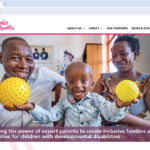 Baby Ubuntu WebsiteJune 27, 2026
 February 2025 NewsletterFebruary 25, 2025
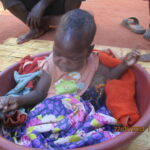 What families in Northern Mozambique learned in the Ubuntu ProgrammeOctober 31, 2024
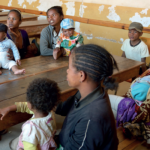 The importance of caregivers in child wellbeing and mental health policy and practiceJune 6, 2024
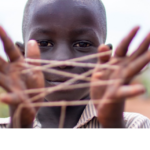 Inclusive and integrated play for children with disabilitiesApril 12, 2024